How to use a pressure washer safely and effectively
A pressure washer can make quick work of built-up dirt, mud, mould and grime, but more pressure does not always mean a better result. The wrong nozzle, poor technique or holding the spray too close can damage concrete, strip paint, mark timber and force water into places it should not go.
If you are wondering how to use a pressure washer, the safest approach is simple: understand the surface, start gently, test a small area and increase the cleaning action only when needed. This guide explains how a pressure washer works, how to set one up and how to clean common surfaces without creating avoidable damage.
How does a pressure washer work?
A pressure washer uses a pump to increase the pressure of water supplied through a hose. The pressurised water travels through the trigger gun and exits through a nozzle, which controls the shape and intensity of the spray.
Effective cleaning depends on more than the machine's pressure rating. Water flow, nozzle type, distance from the surface, spray angle, cleaning solution and time on the surface all affect the result. A wide fan held farther away is generally gentler than a narrow jet held close.
This is why the best setting is not necessarily the maximum setting. The goal is to use the least aggressive combination that removes the contamination without harming the material underneath.
Check the surface and work area first
Before connecting the machine, identify what you are cleaning and what could be affected nearby. Look for loose paint, cracked concrete, weak mortar, damaged timber, exposed electrical components, windows, seals, vents and delicate landscaping. Move vehicles, tools and loose objects out of the spray zone.
Plan where the dirty water will run. Keep sediment, oil, detergent and other contaminants away from stormwater drains and neighbouring properties. On a worksite, include the task in the site's risk assessment and isolate the area so other people cannot walk into the spray or slip on wet surfaces.
Important asbestos warning: never use high-pressure water on asbestos or suspected asbestos-containing material. SafeWork NSW lists high-pressure water spray as prohibited equipment for asbestos. If the material is uncertain, stop work and arrange an appropriate assessment before cleaning it.
Wear suitable protective equipment
Always follow the instructions supplied with the pressure washer and the requirements for your site. Suitable personal protective equipment may include:
- Safety glasses or other eye protection suitable for splash and flying debris
- Enclosed, non-slip footwear
- Gloves that provide grip while handling wet equipment
- Long trousers and clothing that covers exposed skin
- Hearing protection where the machine or work environment requires it
Never point the jet at yourself, another person or an animal. A high-pressure stream can penetrate skin and cause a serious injury, even when the wound looks small. Keep your hands away from the nozzle and never use them to check for a leak.
How to set up a pressure washer
- Read the operating instructions. Controls, starting procedures, compatible nozzles and detergent systems vary between models.
- Inspect the equipment. Check the hose, gun, lance, fittings, power lead and trigger lock. Do not use damaged or leaking components.
- Position the machine securely. Place it on stable ground where it will not tip, sit in pooled water or be struck by vehicles and plant.
- Connect the water supply. Use clean water and make sure the supply meets the machine's requirements. Fully uncoil hoses and remove kinks.
- Fit the correct nozzle or attachment. Start with a wider, gentler spray unless the manual or cleaning task calls for something different.
- Purge air from the system. With the machine switched off and the water supply on, hold the trigger until water flows steadily and trapped air has cleared.
- Connect or start the machine as instructed. For electric models, keep plugs and connections dry and use a suitable protected electrical supply in line with the manual and site requirements.
Do not run a pressure washer without an adequate water supply. Running the pump dry can damage the machine.
How to use a pressure washer step by step
1. Test a small, hidden area
Begin somewhere inconspicuous. Use a wide spray, low pressure if the machine is adjustable, and a generous distance from the surface. Check the cleaned area for etching, colour change, lifted coating, loose aggregate or damage to joints before continuing.
2. Adopt a stable position
Hold the lance with both hands and expect some recoil when you pull the trigger. Keep a balanced stance, maintain awareness of the hose behind you and never overreach. Do not operate from a ladder. Work at height requires suitable access equipment and a separate risk assessment.
3. Increase cleaning action gradually
If the first pass does not remove the dirt, adjust one factor at a time. You might move slightly closer, use an appropriate detergent, change to a suitable nozzle or increase pressure within the manufacturer's guidance. Avoid jumping straight to a concentrated jet.
4. Keep the nozzle moving
Use smooth, overlapping passes and maintain a consistent distance. Holding the spray in one spot concentrates the force and is a common cause of stripes, gouges and surface damage. Angle the spray so dirt moves towards the planned collection or drainage point.
5. Shut down safely
When finished, release the trigger, switch off the machine and turn off the water supply. Follow the manual to relieve stored pressure before changing a nozzle, checking a blockage or disconnecting a hose. Allow the machine and accessories to drain before transport or storage.
For model-specific setup and operating guidance, see the instructions provided with the hire equipment. STIHL's Australian guide also recommends starting at low pressure and testing an inconspicuous area.
Adjust your technique for the surface
Concrete and pavers
Sound concrete and pavers can usually tolerate more cleaning force than timber or painted surfaces, but they are not indestructible. Test first, especially on cracked, weathered or coated concrete. Avoid concentrating the jet on expansion joints, damaged edges or the sand between pavers.
Brick and masonry
Older brick, soft masonry and weak mortar can erode under a narrow jet. Use a wide fan, work at a conservative distance and watch for loose material. If the surface starts shedding or the mortar changes texture, stop and use a gentler method.
Timber decking
Timber is easily scored and can become rough or splintered. Use low pressure, a broad spray and passes that follow the grain. Keep the nozzle moving and allow the timber to dry fully before deciding whether further treatment is needed.
Vehicles and machinery
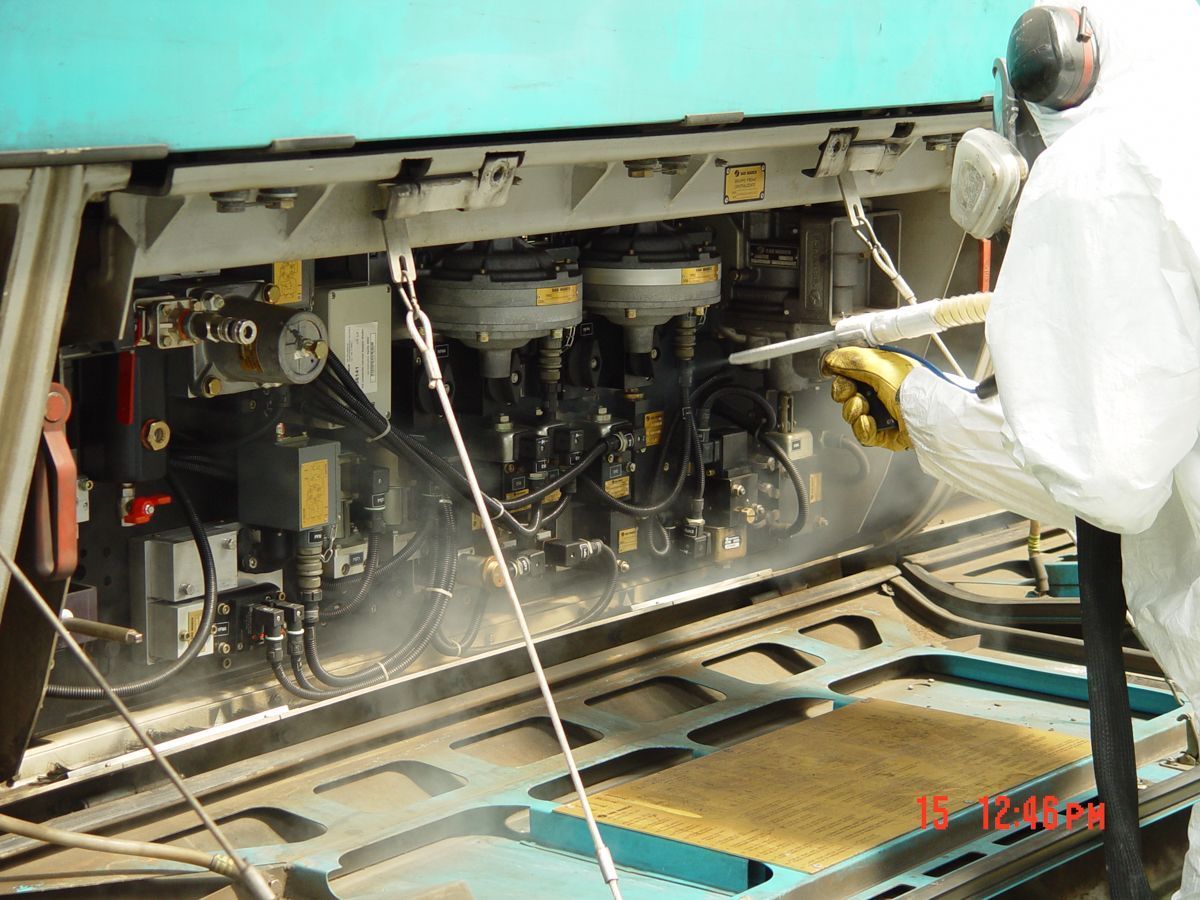
Use a gentle setting and keep the spray away from bearings, seals, air intakes, electrical components, decals and damaged paint. Follow the equipment manufacturer's cleaning instructions. Heavy grease may respond better to an approved degreaser and dwell time than extra pressure.
Roofs and elevated surfaces
Roof cleaning combines pressure-washing hazards with fragile materials and fall risks. Never pressure wash an asbestos roof. SafeWork NSW warns that pressure cleaning asbestos roofing can spread contamination over neighbouring properties. If roof access, material identification or fall protection is uncertain, use a qualified specialist.
Using detergent safely
Only use detergents approved for the pressure washer and suitable for the surface. Follow the product label, dilution instructions and safety data sheet. Never mix cleaning chemicals unless the manufacturer expressly permits it.
Apply detergent at the recommended setting and allow only the specified dwell time. Do not let it dry on the surface. Rinse methodically and manage runoff so chemicals and contaminated water do not enter stormwater drains or affect plants, waterways and adjoining land.
Common pressure-washing mistakes
- Starting with the narrowest nozzle or maximum pressure
- Holding the lance too close to the surface
- Keeping the spray in one place and creating visible lines
- Aiming into cladding joints, vents, seals or electrical equipment
- Changing attachments before shutting down and relieving pressure
- Running the pump with insufficient water
- Ignoring overspray, slippery surfaces and contaminated runoff
- Using high-pressure water on suspected asbestos material
Most of these problems are avoided by planning the task and starting conservatively. If the surface cannot be cleaned without damage, stop and choose another cleaning method.
Choosing the right pressure washer for the job
Before hiring, consider the surface, type of contamination, size of the area, available water supply, power or fuel requirements, access and the attachments you may need. A small cleaning task and a large civil construction clean-up may require very different equipment.
You can explore high-pressure cleaner hire in Sydney to see the relevant hire option. For other roadworks, civil construction and site tasks, browse the wider equipment hire range.
Frequently asked questions
Can a pressure washer damage concrete?
Yes. A concentrated jet can mark weak, young, cracked, coated or weathered concrete. Test a small area, use a wider fan and keep the nozzle moving. If aggregate or coating begins to lift, stop immediately.
How far should I hold the nozzle from the surface?
There is no single safe distance for every machine, nozzle and material. Begin farther away at a low setting, test the result, then move closer gradually only if required. Follow the operating manual for the specific unit.
Can I use a pressure washer on a roof?
Do not use one on asbestos or suspected asbestos-containing roofing. Other roofs may still be fragile, easily damaged and unsafe to access. Material identification, safe access and fall controls must be resolved before work begins, so specialist help is often the safer choice.
Are a pressure washer and a high-pressure cleaner the same thing?
In everyday Australian usage, the terms are commonly used for the same type of machine. Product specifications still vary, so select equipment based on the task rather than the name alone.
Clean effectively without using unnecessary force
Good pressure washing is controlled, not aggressive. Inspect the area, use suitable protective equipment, prime the machine correctly and begin with a wide spray at a conservative distance. Test first, keep the nozzle moving and stop if the surface begins to change.
If you need equipment for a cleaning task, learn more about Call 2 Hire's high-pressure cleaner hire. If you are unsure which setup suits your surface, water supply or site conditions, contact the Call 2 Hire team to discuss your project.