Dry hire vs wet hire: What does dry hire mean for your project?
If you are organising machinery or tools for a construction, roadworks or maintenance project, you may be asked whether you need dry hire or wet hire. The difference is straightforward: dry hire generally provides the equipment without an operator, while wet hire usually includes both the equipment and someone to operate it.
Choosing between the two affects how you plan your crew, budget, schedule and site responsibilities. This guide explains what dry hire means, how it compares with wet hire and what to check before booking equipment for a Sydney project.
What does dry hire mean?
Dry hire means hiring equipment without an operator supplied as part of the booking. The hire company provides the machine or tool, and the hirer arranges a suitably trained and competent person to operate it.
Depending on the equipment, the hirer may also need to organise transport, fuel, daily checks, site inductions and any required licences or competencies. The exact inclusions vary between suppliers, so they should always be confirmed before the hire begins.
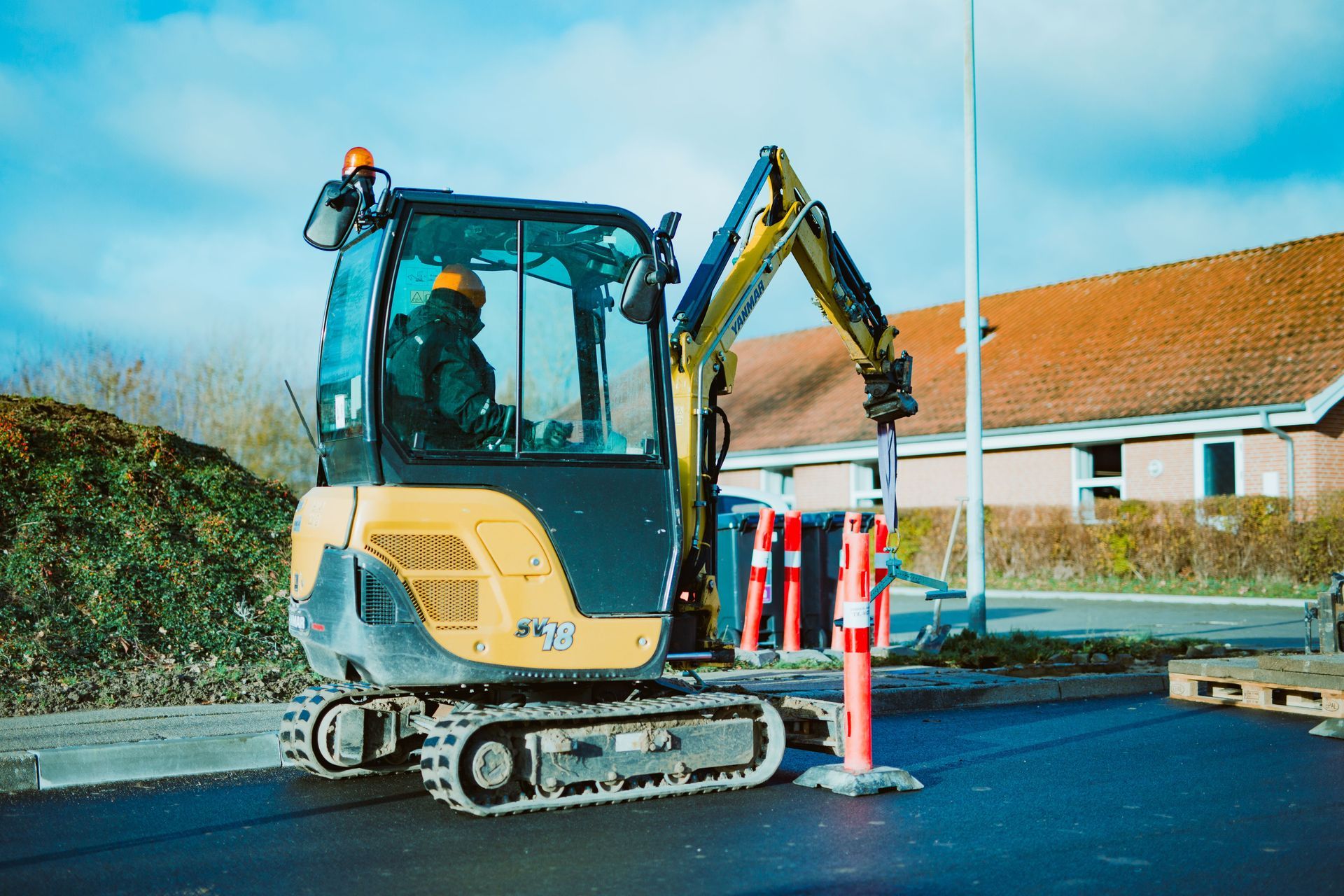
Dry hire is common across civil construction and roadworks because many contractors already have experienced crews. It allows them to access equipment for a particular stage of work without employing an additional operator or purchasing machinery that may only be needed temporarily.
You can explore equipment hire options in Sydney to see the types of machines and tools available for different site requirements.
What is wet hire?
Wet hire usually means that the equipment is supplied with an operator. The operator may arrive with the machine and complete the agreed work for a set number of hours, shifts or project stages.
This option can be useful when a business does not have a suitable operator available, needs specialist operating experience or wants the equipment and operation arranged through one provider. Wet hire commonly costs more than equipment-only hire because the rate also covers the operator's time and associated labour costs.
Inclusions still vary. Transport, attachments, fuel, travel time, minimum hours and site delays may be charged separately, so the quote and hire terms need to be reviewed carefully.
Dry hire vs wet hire: the main differences
The most important difference is who supplies the operator, but that decision affects several other parts of the project.
- Operator: Dry hire requires the hirer to provide a suitable operator. Wet hire includes an operator from the supplier.
- Control: Dry hire gives the hirer direct control over when and how the equipment is used within the hire terms. With wet hire, the supplied operator controls the equipment while coordinating with the site team.
- Cost structure: Dry hire generally separates equipment cost from labour. Wet hire combines the machine and operator, although other charges may still apply.
- Scheduling: Dry hire can offer more flexibility when the hirer already has a crew available. Wet hire depends on the availability of both the equipment and the operator.
- Site responsibilities: Both arrangements require clear communication about access, inductions, safe operation, supervision and reporting faults or incidents.
Neither option is automatically better. The right choice depends on the equipment, the capability of your crew and the work being completed.
When does dry hire suit a project?
Dry hire can be a practical choice when your team already has the skills and capacity to operate the required equipment. It may suit your project when:
- You have a trained and competent operator available.
- You want to manage the equipment around your own work schedule.
- The equipment is needed across several shifts or project stages.
- You only need the machine or tool and do not need additional labour.
- Your team is familiar with the equipment type and required pre-start checks.
- You want to avoid purchasing equipment for a short-term or occasional requirement.
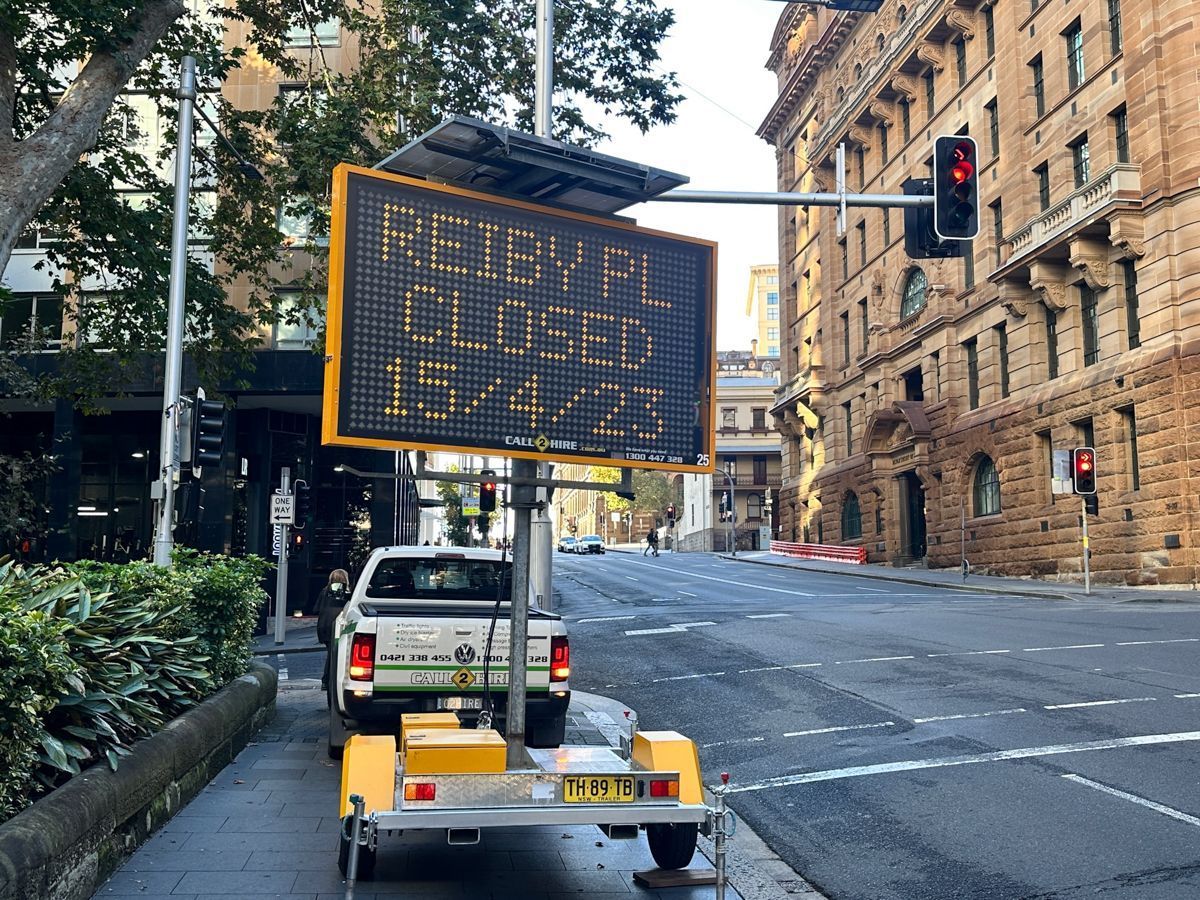
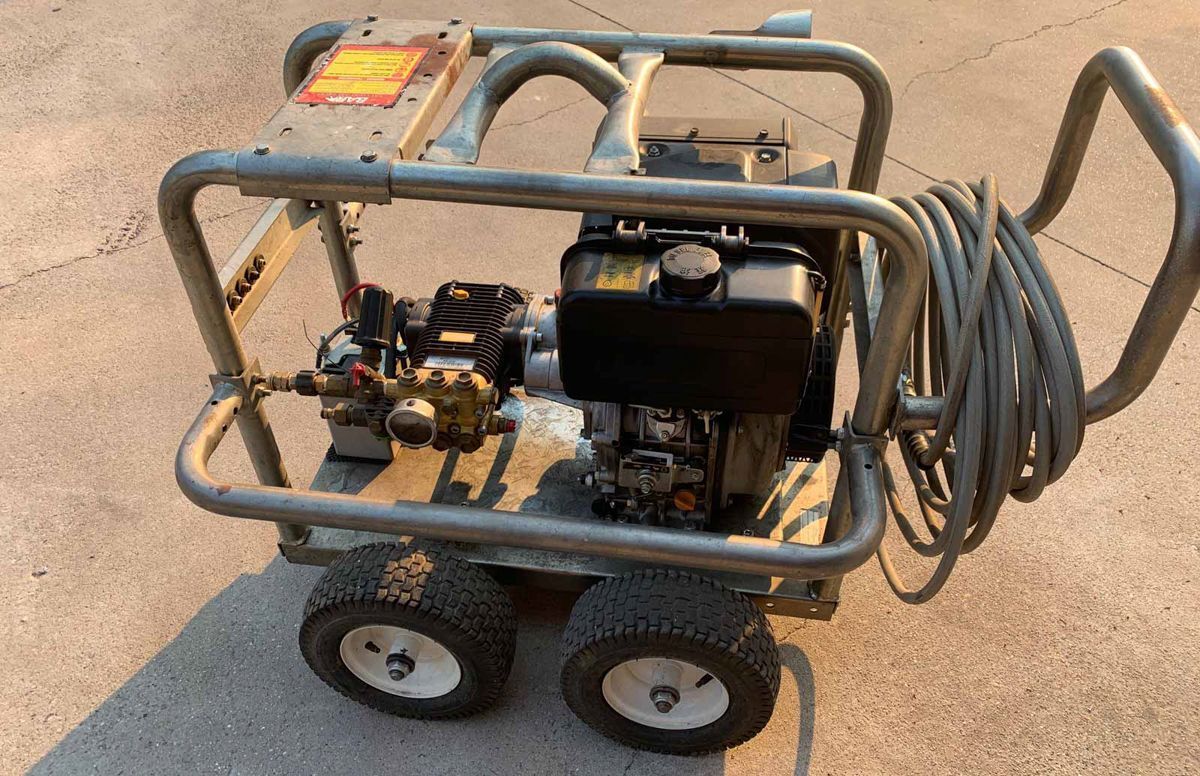
For example, a roadworks contractor with an established crew may dry hire portable traffic equipment, compressed-air equipment or temporary lighting as project needs change. Explore options such as air compressor hire and mobile traffic light hire for common civil and roadworks applications.
When might wet hire be more suitable?
Wet hire may be the more practical choice when the equipment requires specialist operating knowledge or your existing crew is already committed to other tasks. It can also help when a project needs a machine and operator for a clearly defined activity or limited period.
Consider wet hire when:
- No suitable operator is available within your team.
- The work requires specialist experience or a particular licence.
- You need the supplier to manage the operation of the equipment.
- The work has a defined scope that can be completed within an agreed shift or timeframe.
- Adding another operator is more practical than moving your existing workers away from other tasks.
Before booking, confirm exactly what work the operator will complete and how mobilisation, minimum hours, standby time and delays will be handled.
What should you check before arranging dry hire?
Choose equipment that suits the task
Start with the work rather than a particular machine. Consider the required output, working area, access restrictions, surface conditions, power or airflow requirements and the length of the hire. Supplying accurate project information helps the hire company recommend a suitable option.
Confirm operator competency
Make sure the person using the equipment is trained, competent and authorised for the work. Some plant and high-risk activities require specific licences, while other equipment may still require familiarisation, instruction or documented competency.
Safe Work Australia provides further guidance on managing risks associated with plant and machinery on construction sites. Site-specific requirements should also be checked before work begins.
Check what the hire rate includes
Ask whether the quote includes delivery, collection, attachments, accessories, fuel, cleaning and damage waivers. Also confirm the minimum hire period and how extensions or late returns are managed. Comparing the full scope is more useful than comparing the base daily rate alone.
Plan access and setup
Check that the equipment can enter, move around and operate safely within the site. Consider gate widths, overhead obstructions, underground services, ground stability, traffic movements and nearby workers. For powered tools and compressed-air equipment, confirm that hoses, fittings and supporting equipment are compatible.
Understand checks and fault reporting
Review the equipment at handover and follow the supplied operating and pre-start instructions. If a fault or damage is identified, stop using the equipment where necessary and report the issue promptly. Do not attempt unauthorised repairs or continue operating equipment that may be unsafe.
Common questions about dry hire
Does dry hire include fuel?
Not always. Fuel arrangements depend on the equipment and hire terms. The machine may need to be returned with a specified fuel level, or fuel charges may be applied separately. Confirm this before accepting the quote.
Can anyone operate dry-hired equipment?
No. The operator needs to be competent for the equipment and task, and certain work requires a current licence or other formal qualification. Site rules, inductions and supervision requirements may also apply.
Who is responsible for maintenance?
The hire provider generally manages scheduled servicing, but the hirer may be responsible for daily checks, correct use and reporting faults during the hire. Responsibilities differ between equipment types and agreements, so check the terms provided for your booking.
Is dry hire always cheaper than wet hire?
The quoted rate is often lower because an operator is not included, but the total project cost depends on your circumstances. Factor in operator wages, transport, fuel, setup time, productivity and the risk of choosing unsuitable equipment. Wet hire may offer better value when specialist operation is required, while dry hire may be more efficient for experienced crews.
Choose the hire arrangement that fits your project
Dry hire gives capable project teams access to equipment while retaining control over their own operators and schedule. Wet hire combines equipment with an operator and may be better suited to specialist work or sites without an available crew.
Before choosing, review the task, operator requirements, site conditions, hire inclusions and total cost. A clear conversation with the supplier can prevent equipment mismatches, delays and unexpected charges.
Explore our range of dry hire equipment for civil construction and roadworks across Sydney.
Need help selecting suitable equipment? Contact our team to discuss your project requirements and check current availability.