
How mini diggers carry out tight access excavation

Call2Hire • May 23, 2024

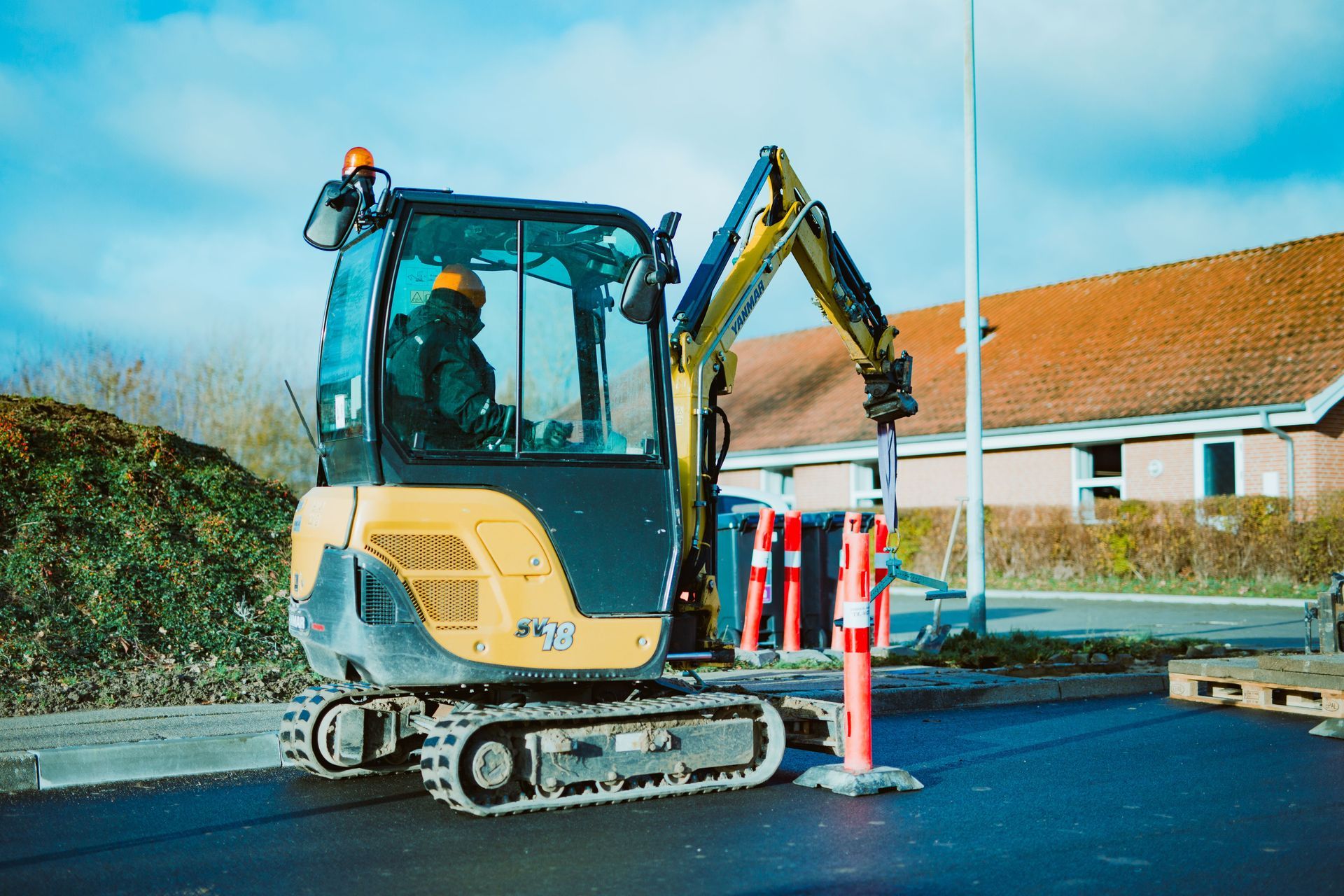
Tight access excavation can be difficult when a site has narrow entries, limited working room, existing structures, or restricted movement for larger plant. Mini diggers are designed for these conditions, giving contractors a practical way to complete excavation work where standard machines may be too large or difficult to manoeuvre.

From backyard works and small civil tasks to service trenching and landscaping preparation, mini diggers can help complete detailed excavation with less disruption to the surrounding site.

Why mini diggers suit tight access sites

Mini diggers are compact, manoeuvrable, and suited to confined work areas. Their smaller footprint allows them to move through tighter entries and work around fences, buildings, driveways, retaining walls, gardens, and other fixed site features.

On residential or commercial sites where access is limited, this can make the difference between completing the job efficiently and needing to rely on slower manual excavation. The machine can be positioned closer to the work area and used to dig, trim, load, or clean up material with greater control.

Common tight access excavation jobs

Mini diggers are often used for trenching, footing preparation, drainage works, landscaping, small demolition clean-ups, driveway preparation, pool access works, and site clearing. They are also useful for working in areas where larger excavators would cause unnecessary ground disturbance.

Because they can be paired with different attachments, mini diggers can support a range of tasks beyond basic digging. Buckets, augers, breakers, and other attachments can help crews complete more of the work with one machine.

Working around existing structures

Tight access excavation often involves working close to buildings, fences, utilities, gardens, or finished surfaces. Mini diggers give operators better control in these areas because the machine can be moved and positioned more precisely than larger plant.

This does not remove the need for proper planning. Site checks, utility locations, access planning, ground condition reviews, and safe work controls are still essential before excavation begins.

Reducing disruption on smaller sites

One of the main benefits of using a mini digger is that it can reduce unnecessary disruption. Smaller machines can help limit damage to access routes, lawns, driveways, and surrounding areas, particularly when the worksite is already constrained.

They can also be transported more easily than larger excavators, which can make them a practical hire option for short-term jobs, residential projects, and small commercial works.

Choosing the right mini digger for the job

The best machine for a tight access excavation project depends on the entry width, ground conditions, dig depth, reach requirements, attachment needs, and the type of material being moved. A smaller machine may be easier to access the site, while a larger mini excavator may provide better breakout force and productivity.

Before hiring, it is worth confirming the access measurements, site conditions, machine size, transport requirements, and attachments needed to complete the work safely.

Conclusion

Mini diggers are well suited to tight access excavation because they combine compact size with practical digging capability. For projects with limited room, narrow access, or sensitive surrounds, the right mini digger can help crews complete excavation work safely, neatly, and with less disruption.

A man in a white suit is cleaning a machine
By Call2Hire May 23, 2024
We explore how a dry ice blaster works in a construction setting and answer other frequently asked questions we receive about these machines here in our blog.
A tall pole with four lights on it against a cloudy sky.
By Call2Hire May 23, 2024
Learn how temporary traffic lights can improve roadwork operations and overall safety for both workers and drivers in our latest blog post. Click to read more.